How To Check If Your Moon Phases Are Compatible
Introduction
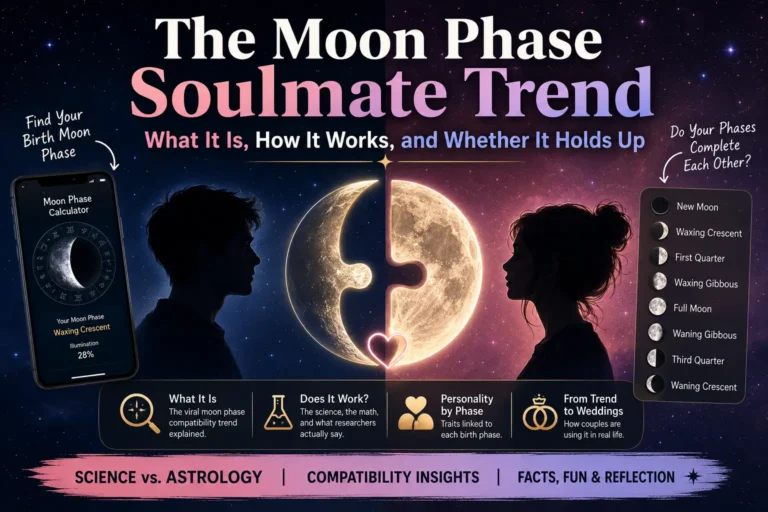
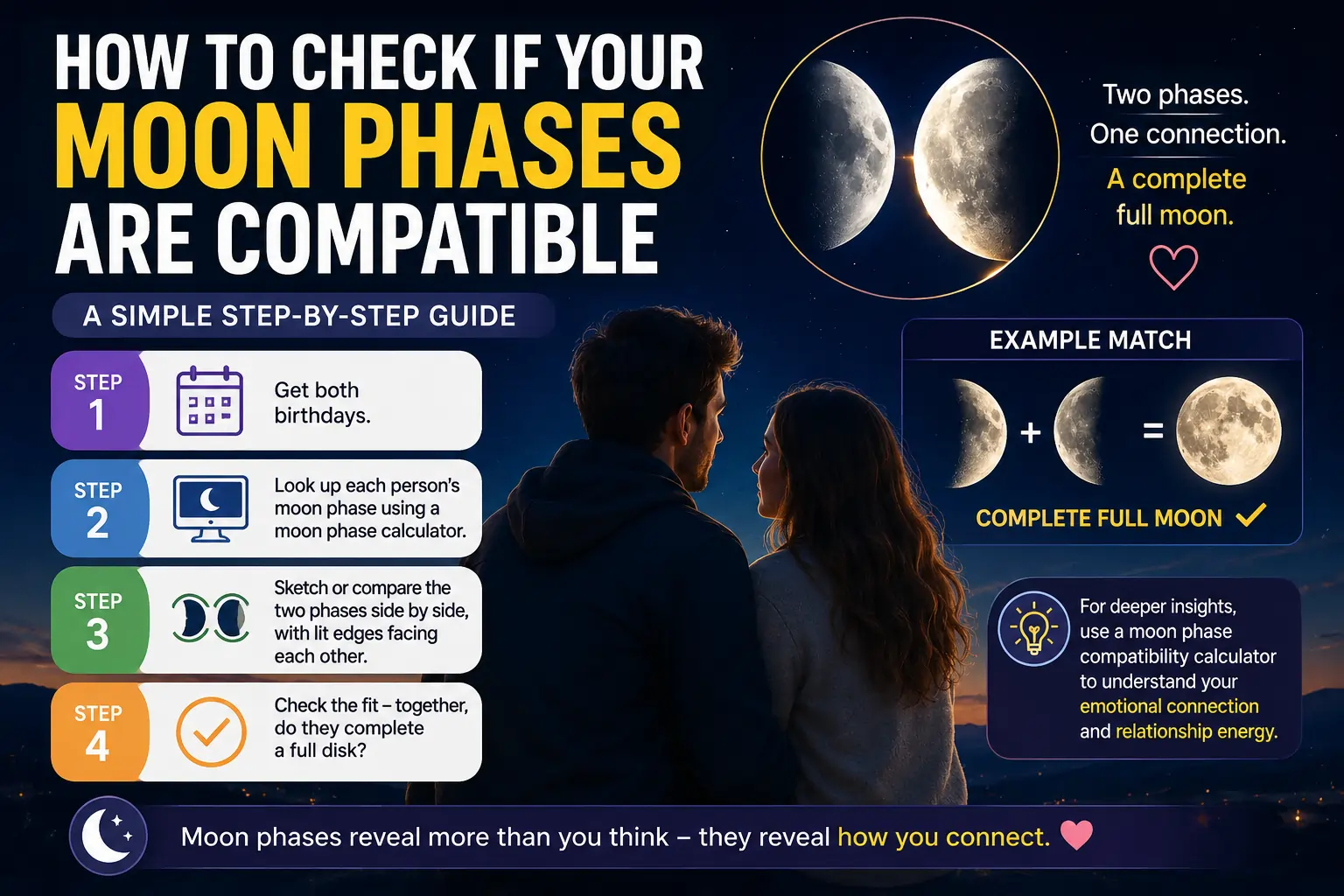
Checking whether your moon phases are compatible has become one of the most searched relationship questions in modern astrology — and for good reason. The moon phase compatibility trend, which crossed 430 million views on TikTok, involves two people looking up the lunar phase on their birthdays and checking whether the two phases, drawn next to each other, fit together to form a complete full moon.
But moon phase compatibility goes far deeper than a viral social media test. For those serious about using lunar astrology as a genuine relationship insight tool, evaluating emotional compatibility involves analyzing how various lunar phases dictate relationship dynamics and individual personality alignment. By utilizing a compatibility calculator, partners can uncover how lunar energy and symbolic energies foster harmony — or highlight specific emotional patterns worth addressing.
A profound emotional connection often stems from observing subconscious reactions and distinct communication styles. Understanding these relationship tendencies uncovers growth potential, moving beyond simple compatibility scores to decode complex emotional behavior. This unique relationship insight integrates astrology for emotional balance and long-term relational health.
Deep lunar symbolism facilitates better emotional understanding, which is essential for cultivating healthy relationships and emotional safety. Exploring various attachment styles often reveals karmic connections tied to inner emotions, making a detailed compatibility analysis of the moon cycle indispensable for self-aware partners.
Studying relational dynamics fosters an intuitive connection that honors specific emotional needs. Achieving emotional alignment requires acknowledging each moon personality and the lunar influence on interpersonal connections. Assessing emotional traits within this compatibility system ensures lasting emotional resonance.
Quick Answer: To check your moon phase compatibility, you need both partners’ birth dates. Use a moon phase calculator to identify which of the eight lunar phases each person was born under, then compare those phases for emotional resonance, complementary energy, or the viral “full moon puzzle” match.
What Are the 8 Moon Phases? (The Foundation You Need to Know)
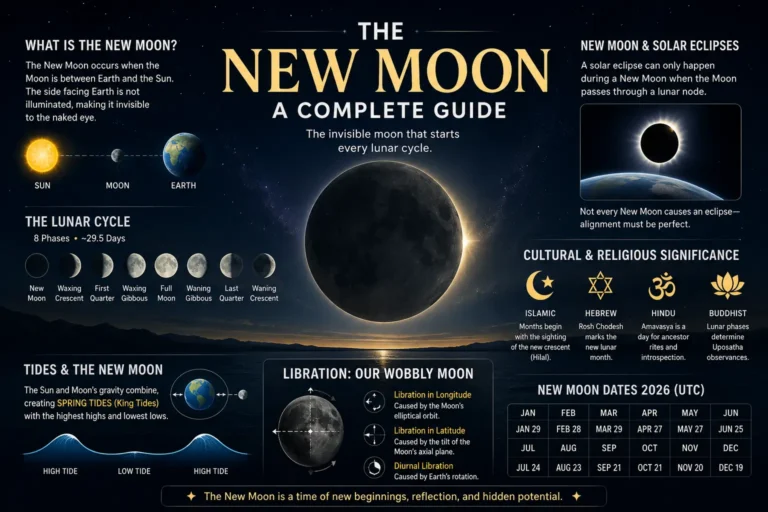
Before checking compatibility, you must understand the complete lunar cycle. The eight lunar phases are, in order: new Moon, waxing crescent, first quarter, waxing gibbous, full Moon, waning gibbous, third quarter, and waning crescent. The cycle repeats about once a month (every 29.5 days).
Each phase radiates its unique lunar aura, subtly shaping our attitudes, feelings, and actions. When it comes to romance, this energy waltz of the moon is believed to play a pivotal role in compatibility — like a cosmic dance where different moon phases interact, producing a harmony or discord that is felt in our relationships.
Here is what each phase represents in terms of personality and emotional energy:
- 🌑 New Moon — Fresh starts, visionary thinking, untapped potential, spiritual reflection. New Moon people favor emotional discovery and relational optimism.
- 🌒 Waxing Crescent — Waxing crescent moon natives require stability. They value nurturing energy, personal growth, and supportive behavior. Their positive mindset fosters relationship harmony.
- 🌓 First Quarter — First quarter moon people may long for freedom. They thrive on decisiveness and independence, pursuing adventure with active energy and bold choices.
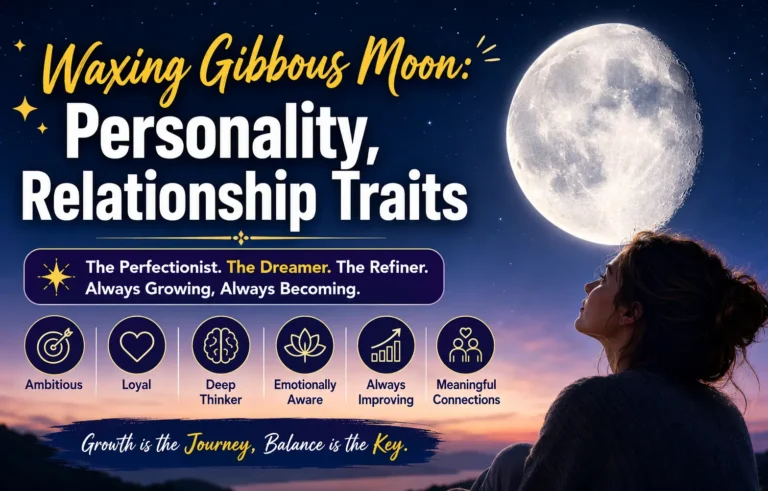
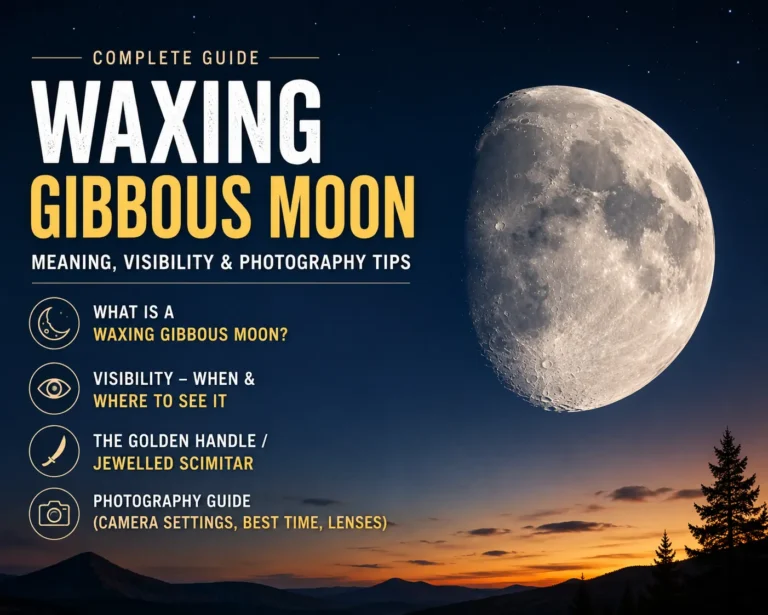
- 🌔 Waxing Gibbous — Embodies patience, refinement, and dedication. These individuals are deeply reflective, nurturing, and focused on meaningful self-improvement.
- 🌕 Full Moon — Full moon beings give their all to relationships. Emotionally expressive, extroverted, and passionate, they bring intensity and illumination to partnerships.
- 🌖 Waning Gibbous — Waning gibbous phase is on board to commit. They embody wisdom, generosity, and deep reflective communication. They encourage wisdom, generosity, and reflection.
- 🌗 Last Quarter (Third Quarter) — The last quarter moon adds forgiveness and compassion to their partnerships. They value release, adaptability, and learning from past experiences.
- 🌘 Waning Crescent — The waning crescent moon person is turbulent but fun in their relationships. They are deeply introspective, intuitive, and drawn to closure and spiritual meaning.
How To Check If Your Moon Phases Are Compatible: Step-by-Step
- Step 1: Get both birthdays.
- Step 2: Look up each person’s moon phase using a moon phase calculator.
- Step 3: Sketch or compare the two phases side by side, with lit edges facing each other.
- Step 4: Check the fit — together, do they complete a full disk?
For the astrological approach (deeper than the TikTok trend), use an online moon phase compatibility calculator and enter both birth dates. You can find your moon phase with a moon phase calendar for your birth year, locate your date of birth in the calendar, and note which of the eight moon phases was present on your date of birth.
Two Methods at a Glance:
| Method | What You Need | What It Reveals |
|---|---|---|
| TikTok Visual Test | Birth dates only | Do your phases form a full moon? |
| Astrological Calculator | Birth date (+ time/location for deeper analysis) | Personality archetypes, emotional compatibility scores |
| Full Birth Chart Synastry | Birth date, time, and location | Moon sign, Venus, Mars, 7th house placements |
Important distinction: Moon phase compatibility uses birth date only. Astrological moon signs require birth time and use the zodiac, not just the phase. These are two different — though related — systems.
Moon Phases and Their Meanings
Understanding lunar symbolism requires seeing how emotional energies shift throughout the 29.5-day cycle. Emotional needs dictate interpersonal balance, and by using a compatibility tool, we find that symbolic interaction creates unique harmony levels.
🌑 New Moon — The Visionary
Emotional openness and intuitive awareness define New Moon types. These souls embrace untapped potential and spiritual reflection. During lunar beginnings, emotional discovery feels like a complete reset. Their personality traits favor relational energy and optimism, making them natural initiators in love.
Key Traits: Idealistic, independent, emotionally secure, adventurous, blank-slate mentality.
New Moon reflects someone with lots of confidence and an independent nature. They are comfortable with their emotions and can initiate things with confidence.
🌒 Waxing Crescent — The Builder
Gradual progress marks the Waxing Crescent traveler. Seeking emotional security, they value nurturing energy and stability. Through self-improvement, their positive mindset fosters relationship harmony. Personality symbolism here ensures deep, supportive behavior and consistent growth.
Key Traits: Patient, perseverant, ambitious, emotionally steady, security-driven.
🌓 First Quarter — The Decision-Maker
First Quarter individuals thrive on decisiveness and independence. Facing growth challenges, their strong will fuels action. They pursue adventure with active energy, ensuring forward momentum. Such bold choices often resolve conflict and drive emotional confidence in relationships.
Key Traits: Action-oriented, confident, independent, goal-driven, challenge-seeking.
🌔 Waxing Gibbous — The Refiner
The Waxing Gibbous individual is deeply analytical and dedicated to improvement — both personal and relational. This phase embodies patience, refinement, and dedication. They are highly attuned to their own emotional needs and make devoted, thoughtful partners.
Key Traits: Detail-oriented, patient, self-aware, nurturing, emotionally intelligent.
🌕 Full Moon — The Connector
The emotionally charged Full Moon could amplify passion, creating intense connections. Full Moon individuals are emotionally expressive, socially magnetic, and give everything to their relationships. They thrive in partnerships with deep emotional intimacy.
Key Traits: Expressive, passionate, socially vibrant, emotionally intense, relationship-focused.
🌖 Waning Gibbous — The Giver
The Waning Gibbous person is generous, communicative, and wisdom-oriented. They are committed partners who reflect deeply on their relational experiences and are eager to share what they have learned with those they love.
Key Traits: Communicative, generous, reflective, wise, commitment-ready.
🌗 Last Quarter — The Releaser
Those born under the Last Quarter are adaptable and introspective. They carry a natural capacity for forgiveness and are constantly processing past experiences to grow. In relationships, they bring emotional maturity and a willingness to evolve.
Key Traits: Adaptive, forgiving, compassionate, retrospective, emotionally mature.
🌘 Waning Crescent — The Sage
The Waning Crescent soul is deeply intuitive, spiritual, and introspective. They are drawn to quiet, meaningful connections rather than surface-level interactions. They represent introspection, intuition, and closure.
Key Traits: Intuitive, spiritual, reflective, quietly intense, closure-seeking.
Shared Moon Phases vs. Different Moon Phases
One of the most common questions in lunar compatibility is whether it is better to share the same moon phase as your partner or to have contrasting ones.
Sharing the same moon phase fosters deep emotional understanding through emotional similarity. Emotional resonance creates interpersonal harmony via emotional alignment. Partners find mutual emotional support while naturally prioritizing similar emotional needs, ensuring a high level of emotional trust. The risk? An echo chamber effect where growth stagnates.
Having different moon phases catalyzes relationship growth by providing a symbolic contrast. Using supportive communication, couples can achieve emotional balance through emotional adjustment. Interpersonal growth stems from this lunar interaction, proving that meaningful relationships require emotional flexibility and the willingness to learn from differences.
Navigating compatibility challenges requires emotional awareness and constant emotional cooperation. Through emotional learning, partners master relationship development and deepen mutual understanding. This lunar compatibility path builds relationship strength because relationship dynamics thrive when compromise maintains balance.
Expert Insight: Knowing the characteristics of your own moon phase and that of your partner can certainly help you deepen your understanding of each other, but it is not necessary that your phase perfectly match for a healthy relationship to flourish. Some of the most dynamic pairings come from contrasting phases.
Moon Phase Compatibility Chart: Who Matches With Who?
Each of the moon phases influences personality traits, and it is believed that certain phases align better with others, indicating a deeper connection between partners.
Here is a quick-reference compatibility guide based on established lunar archetypes:
| Your Moon Phase | Best Compatibility Matches | Why It Works |
|---|---|---|
| 🌑 New Moon | Full Moon, First Quarter | They bring the right mix of support and groundedness, helping you turn your dreams into reality while keeping your relationships harmonious. |
| 🌒 Waxing Crescent | Waning Gibbous, New Moon, First Quarter | Waning Gibbous’s fearless determination can help them feel passionate to continue pursuing their dreams. |
| 🌓 First Quarter | New Moon, Waxing Crescent | New Moon helps bring ideas to life; Waxing Crescent offers optimism, energy, and support for a fulfilling relationship. |
| 🌔 Waxing Gibbous | Full Moon, Waning Gibbous | Full Moon adds balance and sociality to a nurturing nature, while Waning Gibbous complements reflectiveness to build a deeper connection. |
| 🌕 Full Moon | New Moon, Waxing Crescent | Full Moon (life of the party) and Waxing Crescent (adventure seeker) make a dynamic duo with endless energy. |
| 🌖 Waning Gibbous | Waxing Crescent, Last Quarter | Waxing Crescent individuals introduce excitement and new perspectives; Last Quarter values learning and growth. |
| 🌗 Last Quarter | First Quarter, Waning Gibbous | First Quarter partners push them toward new experiences; Waning Gibbous provides stability and wisdom. |
| 🌘 Waning Crescent | Full Moon, Waxing Gibbous | Full Moon brings emotional expression; Waxing Gibbous offers patience and dedication. |
Moon Sign Compatibility vs. Sun Sign Compatibility
While solar positions dictate our outward personality traits, the lunar cycle governs the subconscious reactions and emotions that surface during intimacy. Understanding this astrology comparison reveals why some partnerships feel intellectually solid yet lack emotional resonance.
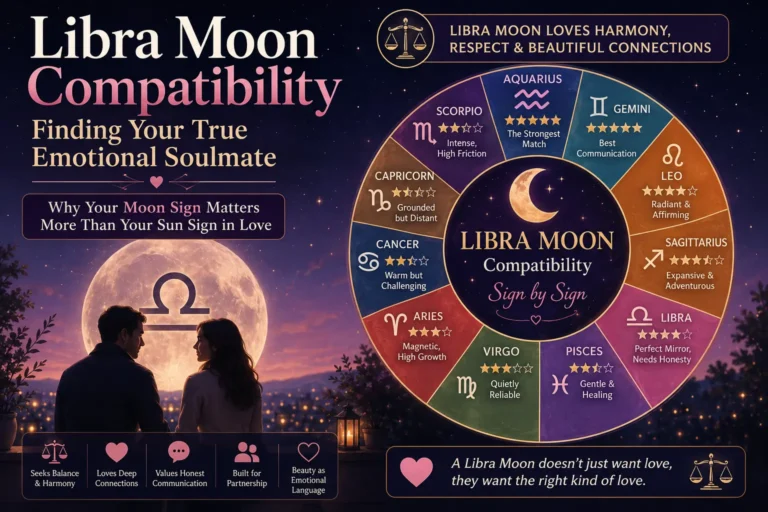
Deeper emotional alignment requires moving beyond the ego. By prioritizing moon sign compatibility over sun sign compatibility, we address the emotional needs and interpersonal emotions that stabilize a long-term bond during stressful relationship dynamics.
True emotional understanding involves decoding how two people process internal shifts. Emotional behavior and compatibility interpretation often differ from a public persona, making emotional insight a vital tool for navigating the hidden interpersonal landscape.
Relying solely on solar charts ignores the vital emotional resonance found in the lunar self. Effective relationship dynamics flourish when we value emotional understanding, ensuring our subconscious reactions are met with empathy and genuine emotional attunement.
Key Takeaway: Sun signs describe who you appear to be. Moon signs describe who you are in private — especially under stress, in love, and in moments of deep vulnerability.
How Compatibility Scores Work
When using a lunar compatibility calculator, scores prioritize emotional depth over surface traits. High scores often stem from shared moon phases, which foster emotional connection and intuitive understanding. Such relational awareness ensures supportive behavior through mindful communication.
True alignment requires relational balance and emotional cooperation. Shared emotional patterns act as a catalyst for relational closeness, turning potential emotional clashes into opportunities for relationship insight.
A high score reflects compatibility insight regarding both emotional similarities and productive differences. Quantitative values represent relational insight, yet qualitative emotional understanding remains vital. Understanding how lunar positions interact helps identify long-term connection potential and emotional stability within synastry (the astrological practice of comparing two birth charts).
Compatibility scores evaluate emotional depth and nurturing capacity within relationships. By respecting emotional needs, partners build comfort and trust. Analyzing attachment styles and karmic placements allows for emotional alignment, ensuring that communication dynamics promote lasting relational harmony.
Emotional Compatibility and Relationships
Astrological foundations suggest emotional tendencies dictate relational dynamics. When we explore interpersonal compatibility, looking at lunar phases reveals unique personality symbolism. Compatibility systems thrive by analyzing these specific emotional interactions.
True soulmate status requires a deep emotional bond and meaningful relationships. Through friendship and partnership, we find emotional closeness and a spiritual connection. Prioritizing emotional resonance ensures relationship depth, while emotional trust fosters lasting companionship.
Effective relational behavior relies on lunar symbolism and established astrology traditions. By mapping emotional patterns through a compatibility framework, we gain symbolic interpretations. Lunar personalities influence emotional behavior in measurable, observable ways.
Relationship symbolism and compatibility meanings create emotional alignment. Utilizing lunar energy helps refine sun-moon synastry. Understanding Venus signs and Mars signs alongside birth chart synastry offers a profound and complete picture of astrological compatibility.
What Is a Soulmate? (The Lunar Perspective)
Identifying a true soulmate requires looking beyond the superficial ego or outward personality. It involves discovering a mirror for your subconscious reactions and inner emotions, ensuring long-term relationship longevity through deep, private emotional behavior.
True connection thrives on emotional alignment and intuitive behavior. When emotional expression matches, you find comfort zones that foster interpersonal understanding. This emotional depth provides the insight necessary for navigating complex relationship dynamics.
Beyond personality analysis, soulmates share profound subconscious patterns. They offer emotional support while respecting emotional needs. This emotional connection is rooted in emotional resonance, creating a relationship defined by consistent emotional understanding and mutual growth.
The couples who are born under the same moon phase are considered twin flames, because they possess the same spiritual energies and personality traits. However, twin flames and soulmates are not always the same — a soulmate complements you, while a twin flame mirrors you, sometimes intensely and even uncomfortably.
The Astrological Foundations: Synastry and Deeper Compatibility
Interpreting astrological systems requires moving beyond simple sun signs to grasp the emotional resonance governing interpersonal astrology. By conducting a detailed compatibility analysis, we uncover relationship dynamics that define core emotional interaction.
Professional astrology matching relies on a structured compatibility framework to identify recurring compatibility patterns. Through this astrological interpretation, practitioners gain relational insight, facilitating a deeper understanding of how individual seventh house placements influence long-term partnership longevity.
Analyzing synastry and deeper astrology compatibility reveals how moon sign compatibility often outweighs sun sign compatibility. Each phase carries a traditional archetypal meaning in lunar astrology: a way of starting things, an emotional rhythm, a tendency toward initiation or reflection. Compatibility is then read by the distance between two phases on the cycle.
Defining the meaning of a soulmate through this lens involves emotional compatibility, connection energy, and emotional intimacy. We look for emotional awareness, a symbolic relationship, and relational harmony through emotional alignment and shared values.
An intuitive bond thrives on emotional interaction. By studying lunar phase energies and compatibility, we find harmony and natural connection. High compatibility scores indicate strong emotional alignment, while noticeable differences point to areas requiring relational adjustment — not necessarily deal-breakers, but growth opportunities.
Moon Phase Compatibility: What the Science Says
It is important to approach this topic with balanced expectations. Moon phase astrology is a symbolic and reflective system, not an empirical science. Use the result as a conversation starter, not a verdict on whether your relationship will last.
There is zero peer-reviewed evidence that the test predicts personality or compatibility. However, many practitioners and individuals find real value in using it as a self-reflection tool — a way to explore emotional tendencies, communication styles, and relational needs with curiosity rather than rigid certainty.
While moon phase compatibility is an interesting way to explore relationship dynamics, love is about more than just astrology. Relationships thrive on communication, trust, and shared values.
Frequently Asked Questions
How do I find my moon phase for compatibility?
You need your birth date. Enter it into a free moon phase calculator (NASA’s StarDate tool or any reliable astrology platform) to identify which of the eight lunar phases you were born under.
Is moon phase compatibility the same as moon sign compatibility?
No. Moon phase compatibility uses birth date only. Astrological moon signs require birth time and use the zodiac, not just the phase. Moon signs (Aries Moon, Taurus Moon, etc.) require a full birth chart.
What is the most compatible moon phase pairing?
There is no single “best” pairing. However, phases that form a complete full moon when placed together (per the TikTok trend) or phases that share complementary emotional archetypes — such as New Moon with Full Moon, or Waxing Crescent with Waning Gibbous — are traditionally considered harmonious.
Can two people with the same moon phase be compatible?
Yes. Sharing the same phase fosters deep emotional understanding and similar worldviews. The key challenge is ensuring enough difference elsewhere (in birth charts, temperament, or life experience) to spark growth.
Do I need my birth time to check moon phase compatibility?
For the basic moon phase check, your birth date is enough. For a full astrological moon sign analysis, you will need your birth time and birth location.
Final Thoughts
Moon phase compatibility is a layered, meaningful topic that bridges ancient lunar traditions with modern relational psychology. Whether you are exploring it as a fun personality framework, a TikTok trend, or a serious astrological tool, understanding the eight lunar phases and how they interact can genuinely deepen your self-awareness and your understanding of those you love.
The most valuable takeaway is not whether your phases “match” perfectly — it is using that knowledge to open honest conversations about emotional needs, communication styles, and the kind of relational energy each of you naturally brings to a partnership.
The moon has guided human emotion and intuition for millennia. Let it guide your conversations about love, too.